Get your free cash offer
Tell us about the house. You get a written, no-obligation offer within 24 hours.
Prefer to talk? Call (330) 574-9414. We answer the phone.
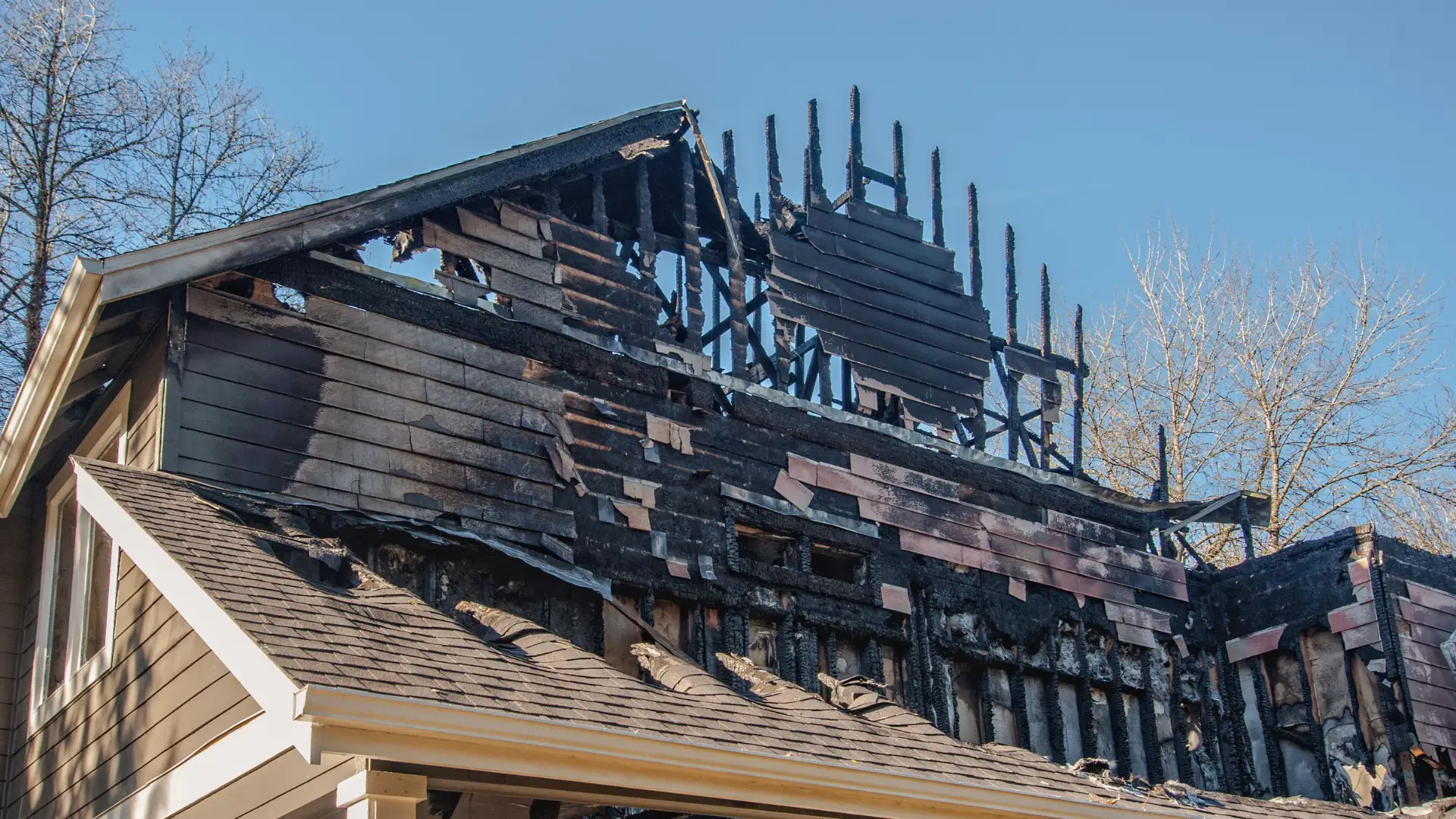
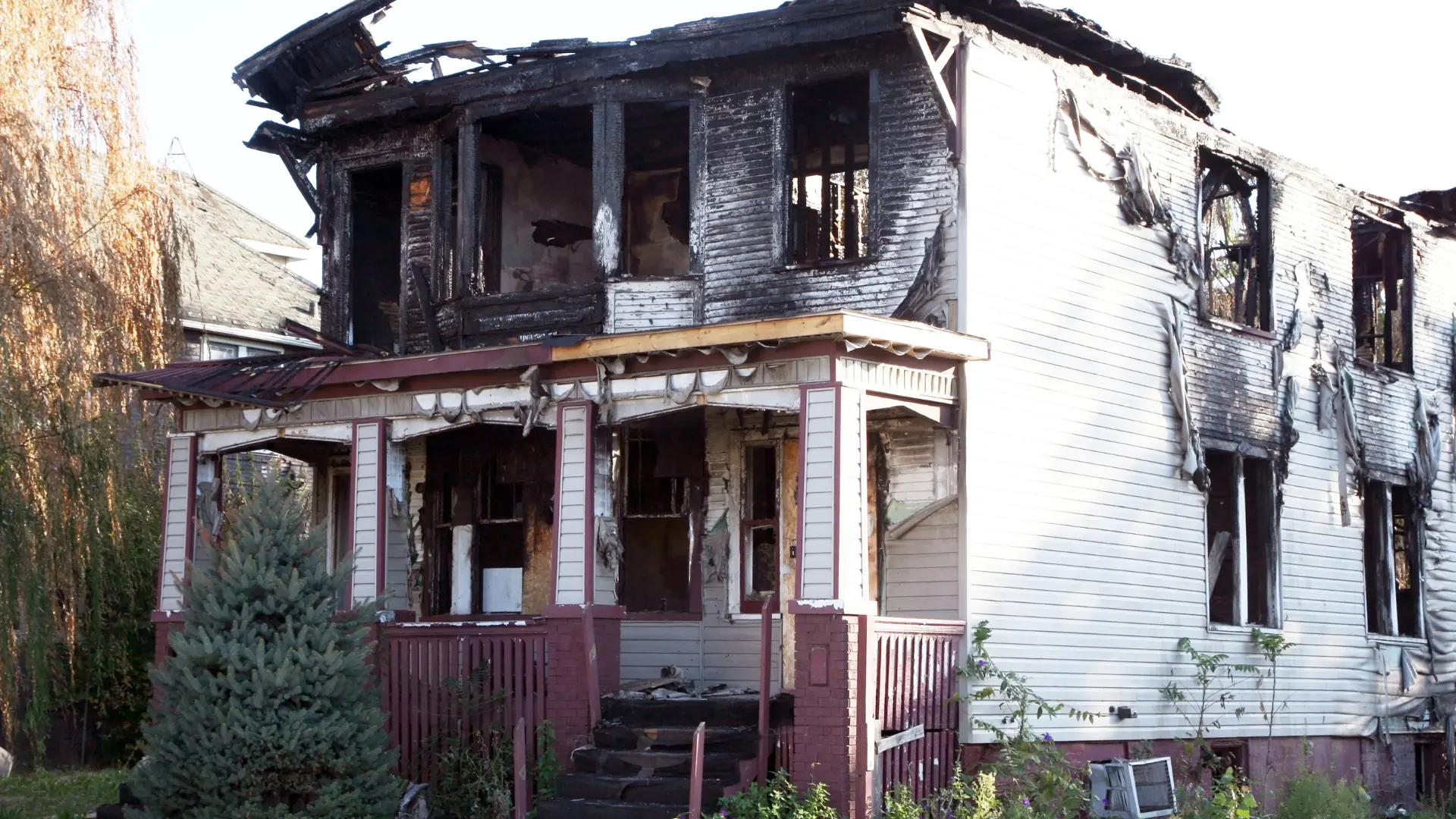
Sell a Fire Damaged House in Ohio As-Is, No Repairs
You do not have to rebuild it first. Mahoning Home Buyer purchases fire and smoke damaged houses in their current condition - claim still open or already settled - across Mahoning, Trumbull, and Columbiana Counties.
Can you sell a fire damaged house in Ohio?
Yes. There is no Ohio law that requires a house to be repaired before it is sold. A fire damaged property can be sold in its current condition to a buyer who is willing to take it that way. What changes after a fire is not your right to sell - it is who is realistically able to buy.
Most traditional buyers cannot purchase a fire damaged house, because most traditional buyers need a mortgage.Lenders generally will not finance a home with unrepaired fire damage, and appraisers routinely flag exposed wiring, compromised framing, and missing systems as health and safety conditions. That narrows the buyer pool to three groups:
- Cash buyers and direct home buying companies
- Investors using renovation-specific financing
- Owner-occupants using a renovation loan program, which is a slower and more paperwork-heavy path
Mahoning Home Buyer is a local, direct cash buyer serving Mahoning, Trumbull, and Columbiana Counties in northeastern Ohio. We purchase fire and smoke damaged houses as-is, with the insurance claim open or closed, and we do not ask sellers to make repairs, clean out the property, or pay agent commissions. Written offer, no obligation. Call (330) 574-9414.
Why Fire Damaged Houses Stall on the Open Market
Sellers are usually told the problem is price. It is almost never price. Four specific things push a fire damaged listing off the traditional market, and knowing which ones apply to your house tells you what your options actually are.
Financing dries up
Conventional, FHA, and VA appraisals flag unrepaired fire damage as a health and safety issue. A buyer can love the house and still be told no by their lender at the appraisal stage, weeks into the contract.
Insurability gets complicated
A new owner generally needs a policy in place at closing. A house with open structural or electrical damage can be difficult to insure on standard terms, which is a second place a traditional sale quietly falls apart.
The damage is bigger than the burn
Smoke and soot migrate through ductwork, insulation, and drywall cavities well beyond the room that burned. Water used to put the fire out soaks into subfloor and framing. The visible scorch is rarely the full scope.
The clock keeps running
Taxes, the mortgage, and utilities do not pause. Vacant property often triggers different insurance terms. Every month the house sits unresolved, the carrying cost comes out of whatever you eventually net.
Small fires are worth a second opinion before you write the house off. A contained kitchen or garage fire with no structural involvement sometimes cleans up well enough to list normally, and that can be the better financial outcome. We will say so if we think that is your situation. A direct sale is one option among several, not the answer to every fire.
Fire Damage Scope Builder
Toggle what the fire touched. The left panel shows which licensed trades that work usually pulls in. The right panel shows which items commonly cause trouble for a traditional buyer's lender or appraiser. Those are two different problems, and most sellers only hear about the first one.
What did the fire actually reach?
Educational illustration only. No pricing, no inspection, and no assessment of your specific property - only a licensed inspector and contractor can tell you what your house needs.
Select everything that applies
If you are not sure, leave it off. Guessing high does not help you.
This tool illustrates general patterns in fire damaged property. It is not an inspection, an appraisal, a repair estimate, a lending decision, or advice about your property. It produces no dollar figures because repair cost on a fire is not knowable without a licensed contractor walking the house. Confirm everything with a licensed Ohio inspector, contractor, your insurance carrier, and your lender.
Selling While the Insurance Claim Is Open
You can sell a fire damaged house before, during, or after a claim is settled. Each of those is a different transaction, and the difference matters more than most sellers are told.
The question that decides the shape of the deal is simple: who ends up with the insurance proceeds. Three general patterns come up.
Claim settled, funds received. The cleanest version. You keep the settlement, the house sells in its current condition, and the two are separate. Note that if there is still a mortgage, the servicer is usually named on the check and controls how the funds are released.
Claim still open. A sale can often still move forward, but the purchase agreement needs to say clearly who is entitled to the proceeds. This should be papered properly rather than agreed on a phone call and remembered differently later.
Claim denied or underpaid. This is the situation where sellers most often feel stuck, and it is also where a licensed Ohio public adjuster or an attorney is worth talking to before you accept any offer, ours included.
- Get the full claim fileThe adjuster's scope of loss, not just the payout number
- Ask your servicer about the checkLenders commonly release repair funds in stages
- Keep the policy activeDo not cancel coverage on a vacant house before closing
- Tell the carrier it is unoccupiedVacancy terms differ. Silence can cost you coverage.
- Photograph everythingBefore any cleanout, demo, or board-up work
- Get proceeds handled in writingIn the purchase agreement, never on a handshake
We are not an insurance adviser and will not tell you what your claim is worth. What a policy covers, what an adjuster owes you, and whether a settlement is fair are questions with real money attached, and they belong to your carrier, a licensed Ohio public adjuster, or an attorney. Any home buyer who tells you confidently what your claim should pay is guessing with your money.
Here is the one thing worth being firm about: do not sign a purchase agreement that is silent on insurance proceeds. If a buyer will not put in writing who gets the claim money, that is your answer about the buyer.
How to Sell a Fire Damaged House in Ohio
This is the sequence for a direct as-is sale. It is genuinely short, because the parts that make a traditional sale long - repairs, staging, showings, appraisal, financing - are the parts being removed.
Secure the property and document the damage
Board up openings, keep the policy active, tell the carrier the house is unoccupied, and photograph everything before any cleanout or demolition. Documentation protects the claim and the sale at the same time.
Gather your claim and property paperwork
The adjuster's scope of loss, the settlement status, the mortgage payoff, the deed, and the current tax statement. If the house was inherited, add the estate documents showing who has authority to sign.
Contact a buyer who purchases fire damaged property
Call or send the address and a short description of what burned. A buyer who works in this category should be able to talk through the situation without needing the house cleaned first.
Review the house and receive a written offer
We look at the property as it stands. The offer comes in writing with the terms visible, including how insurance proceeds are handled, so you can take it to your attorney before deciding anything.
Close through a licensed Ohio title company
Title work runs, liens and taxes are paid from proceeds at closing, and the closing date flexes to what your situation needs. You take what you want from the house, and what remains is handled by agreement.
Timelines depend on title, not on us. A direct sale removes the financing and repair delays, but it does not remove the title search, the payoff statements, or the estate paperwork if there is any. Those take the time they take. Any buyer promising a closing date before title work has started is describing something they cannot control.
Rebuild, List As-Is, or Sell Direct
We buy houses directly, so read the third column knowing that - and weigh it against the other two anyway. The right answer depends less on the damage than on whether anyone in your family has the capacity to run a construction project.
Repair, then list
Best when the fire was contained Works when- Damage is limited and non-structural
- The settlement covers most of the work
- You can carry the house while it is rebuilt
- Months of contractor management
- Overage risk if the scope grows
- Carrying costs the whole time
List it as-is on the MLS
Best when you want market exposure Works when- You want multiple investors bidding
- The lot or location carries real value
- Time pressure is low
- Agent commission comes off the top
- Financed offers can collapse at appraisal
- Showings through a damaged house
Sell direct, as-is
Best when you need it resolved Works when- Nobody has capacity to run a rebuild
- You live out of the area
- Carrying costs are the real bleed
- Certainty matters more than top dollar
- A price below repaired retail value
- Title work still has to be completed
- Not every property is one we can buy
The comparison that actually matters is not the offer against the pre-fire value of the house. It is the offer against what you would net after repairs, permits, carrying costs, commission, and the months it takes - with the honest risk that the rebuild scope grows once walls come open. Run that number before you decide. If it favors rebuilding, rebuild.
Fire Damaged Properties We Buy in Ohio
A direct as-is purchase means the condition of the house is our problem after closing, not a repair list you have to fund first. Depending on the property, we consider houses with:
As-is describes the condition. It does not remove your disclosure obligations. Ohio generally requires sellers of residential property to complete a Residential Property Disclosure Form covering known material defects, with certain transfers exempt. Selling as-is does not mean a known fire, a known structural issue, or a known mold problem goes unmentioned.
Whether your particular sale is exempt, and what has to be disclosed, is a question for a licensed Ohio attorney or your title company. We would rather you disclose everything - a deal that closes cleanly is worth more to both sides than one that unwinds later.
Why Sellers Call Mahoning Home Buyer After a Fire
Mahoning Home Buyer is a home buying company based in the Mahoning Valley. Not a law firm, not an insurance adjuster, not a title company, not a contractor. We buy houses. That is the whole list.
We are already here
Youngstown, Boardman, Warren, Salem. We can be at the property this week without you flying in or asking a neighbor for another favor.
The offer is in writing
Terms visible, including how insurance proceeds are handled, so you can take it to your attorney before you decide anything. No verbal numbers.
Leave what you cannot face
Take what matters to you. Smoke damaged belongings and debris can stay and be handled by agreement rather than by dumpster and deadline.
Licensed title company closing
We work alongside the title work rather than around it. Liens and back taxes are typically paid from proceeds at the closing table.
Out-of-state owners welcome
Inherited a damaged house from four states away? That is a common call here. Most of the process can be handled remotely.
We will tell you when to walk
If listing or rebuilding is the better outcome for you, we say so. We do not buy every property brought to us and we do not pretend otherwise.
Fire Damaged Houses We Buy Across Northeast Ohio
The information on this page applies statewide - the financing, insurance, and disclosure realities read the same in Cleveland, Akron, Canton, or Columbus. Our buying area is smaller, and we would rather say so than pretend to a coverage map we do not have.
Plus surrounding communities in Mahoning County, Trumbull County, and Columbiana County. If the fire damaged property is elsewhere in Ohio, everything above still applies to you - you will just want a buyer local to that market.
Selling a Fire Damaged House in Ohio - FAQ
Can I sell a fire damaged house in Ohio?
Yes. No Ohio law requires a house to be repaired before it is sold, and a fire damaged property can be sold in its current condition. What changes after a fire is not your right to sell but the pool of buyers who can actually close, because most traditional buyers need a mortgage and lenders generally will not finance a house with unrepaired fire damage. That leaves cash buyers, investors using renovation financing, and owner-occupants using a renovation loan program.
Do I have to repair the fire damage before selling?
No. Selling as-is means the buyer takes the property in its current condition and does not ask you to make repairs. For most sellers after a fire, that is the point - the money and the months required to rebuild are exactly what they do not have. Repairing first can produce a higher sale price, but only if the settlement covers the work, the scope does not grow once walls are opened, and someone has the capacity to manage contractors for months.
Can I sell while my insurance claim is still open?
Often yes, but the purchase agreement has to state clearly who is entitled to the insurance proceeds. That single term is the difference between a clean deal and a dispute later, and it should never be left to a verbal understanding. If there is still a mortgage, the servicer is usually named on the settlement check and controls how funds are released, so talk to them early. Have an Ohio attorney review any agreement before you sign it.
Who keeps the insurance money if I sell the house?
Whoever the purchase agreement says. There is no automatic rule that fits every deal. Commonly the seller keeps a settlement that has already been paid out and the house sells separately in its current condition, but the arrangement can be structured differently, and a mortgage servicer named on the check adds another party to the conversation. Get it in writing and have an attorney read it. Do not sign an agreement that is silent on proceeds.
Why will a bank not finance a fire damaged house?
Because the appraisal has to support the loan and the property has to meet minimum condition standards. Conventional, FHA, and VA appraisers routinely flag unrepaired fire damage - exposed wiring, compromised framing, no working heat, no functioning kitchen - as health and safety conditions. A buyer can be fully approved and still be declined at the appraisal stage, which is why financed offers on fire damaged houses collapse weeks into a contract.
Do I have to disclose the fire to a buyer?
Ohio generally requires sellers of residential property to complete a Residential Property Disclosure Form covering known material defects, though certain transfers are exempt. A fire, structural damage, or a known mold problem is the kind of thing that form exists for. Selling as-is describes the condition of the house - it does not erase disclosure obligations. Whether your specific sale is exempt is a question for a licensed Ohio attorney or your title company, not a web page.
How much is my fire damaged house worth?
Nobody can answer that from a description, and we will not pretend to. Value on a fire damaged property turns on the extent of the damage, whether it reached the structure, the condition of the mechanical systems, the lot, the neighborhood, what is owed against it, and what the rebuild would realistically cost a buyer. That last figure is not knowable without a licensed contractor walking the house. Request a written offer and compare it against what you would net after repairs.
What if the house was condemned or has code violations?
That is still often workable. A condemnation notice or open code violations narrow the buyer pool further, which is precisely the situation a direct as-is buyer exists for. Bring the notices to the conversation rather than leaving them out - they affect how the deal is structured, and finding them during title work slows everything down. Some violations are resolved at or before closing, and how that works depends on the municipality.
Can I sell a fire damaged house I inherited?
Yes, once the person signing has legal authority to convey the property. That may mean the estate has cleared probate, an executor or administrator has been appointed, or a transfer on death designation has been confirmed and recorded. This is a common call here - out-of-state heirs inheriting a damaged Ohio house that nobody can practically manage. Confirm the authority question with an Ohio attorney before you contract with anyone.
What about back taxes or a mortgage on the property?
Delinquent taxes, liens, and the mortgage payoff are typically handled at the closing table out of the sale proceeds rather than paid by you up front. That is standard for any Ohio closing through a licensed title company. What matters is that they surface early - a title search finds everything recorded against the parcel, and a lien nobody mentioned is the most common reason a closing date moves.
Do I have to clean out the house before selling?
Not for a direct as-is sale. Take what matters to you and what is salvageable. Smoke damaged furniture, belongings, and debris can stay and be handled by agreement, which spares you sorting through a damaged house on a deadline. If you are listing traditionally instead, the answer changes - a listed property generally needs to be cleaned out and made presentable for showings.
How fast can a fire damaged house close?
Faster than a financed sale, because the appraisal and loan approval are removed. But the honest limit is title, not the buyer. The title search, payoff statements, and any estate paperwork take the time they take, and the closing date follows them. Any buyer who promises you a specific closing date before title work has even started is describing something they do not control. We would rather give you a real date than an early one.
More Help for Your Situation
A fire is rarely the only thing going on. These cover what usually sits alongside it.
Get a Written As-Is Offer on Your Fire Damaged House
Send us the address and a short description of what burned. We will look at the property, tell you honestly whether a direct sale makes sense for your situation, and put an offer in writing if it does. No cost, no obligation, and no repairs on your side. Some properties are not ones we can buy, and we will tell you so directly.
Mahoning Home Buyer · (330) 574-9414 · [email protected]
Serving Mahoning, Trumbull & Columbiana Counties · Not a law firm · Not an insurance adviser · Not a contractor
Disclaimer: This page is provided for general educational purposes only. Mahoning Home Buyer is not a law firm, insurance carrier, public adjuster, licensed contractor, home inspector, title company, or tax adviser. Nothing on this page is legal, insurance, construction, title, or tax advice. Outcomes for a fire damaged property depend on the extent of the damage, the policy and claim, the mortgage, recorded liens, ownership and estate documents, local code enforcement, and applicable Ohio law. Consult a licensed Ohio attorney, your insurance carrier or a licensed public adjuster, a licensed contractor or inspector, and a qualified title professional before repairing, insuring, listing, or selling a fire damaged property.
Information last reviewed: October 2, 2026