Sell an Inherited House in Mahoning County, Ohio
Probate paperwork, heirs in three states, a house full of forty years of belongings. You do not have to fix any of it before you sell. We buy inherited houses as-is, work directly with executors and estate attorneys, and put a written cash offer in your hands within 24 hours.
To sell an inherited house in Mahoning County, Ohio, first confirm who has authority to sign: the executor or administrator while the estate is in probate, or the heirs once title has passed to them by certificate of transfer, transfer on death affidavit, or survivorship deed. The estate can often sell before probate closes if the will grants a power of sale or the court approves. Ohio has no inheritance tax, and the federal stepped-up basis usually keeps capital gains small. Mahoning Home Buyer buys inherited houses as-is, coordinates with your estate attorney and a licensed Ohio title company, and can close in as little as 14 days. Call (330) 574-9414.
What Does an Inherited House Cost While You Decide?
An empty house is not free. Taxes, insurance, utilities, and upkeep keep running through every month of probate and every month of family deliberation. Move the sliders to see the real number - and what each heir's share of it looks like.
Inherited House Carrying-Cost Clock
A rough estimate of what the estate spends holding the house until it sells.
Estimate only, not financial or legal advice. Real costs vary by parcel, policy, and season. It does not include repairs, cleanout, a partition action, or the executor's time. We pay standard closing costs, so the comparison usually favors selling sooner more than this shows.
First Question: Who Has the Right to Sell?
Every inherited-house sale in Ohio comes down to one thing before price is even discussed: who holds authority over the property right now. There are four common answers in Mahoning County, and each one changes who signs, whether the court is involved, and how fast you can close.
Executor or administrator
The probate court issues Letters of Authority naming the person who manages the estate. If the will grants a power of sale, they can sell the house and hold the proceeds in the estate. If it does not, the court can approve a sale through a land sale proceeding.
Heirs by certificate of transfer
When the estate is not selling the house itself, the court issues a certificate of transfer that moves title to the heirs or beneficiaries. Once it is recorded, the heirs own the house and sell it directly. Everyone on the deed signs.
Transfer on death beneficiary
If the owner recorded a transfer on death designation affidavit before passing, the house skips probate entirely. The named beneficiary records an affidavit with the death certificate and can sell right away.
Surviving joint owner
A survivorship deed passes the house to the surviving co-owner automatically. An affidavit and the death certificate are recorded, and the survivor sells as the sole owner. Common for a surviving spouse.
Not sure which one you are? Pull the deed from the Mahoning County Recorder's records, then ask the estate attorney. We can also walk through it on the phone in a few minutes, and if a lawyer needs to be involved, we will tell you that before you spend anything.
General information for Ohio families, not legal advice. Probate rules are set by the Ohio Revised Code and applied by the Mahoning County Probate Court; confirm your situation with an Ohio attorney.
You Can Usually Sell Before Probate Closes
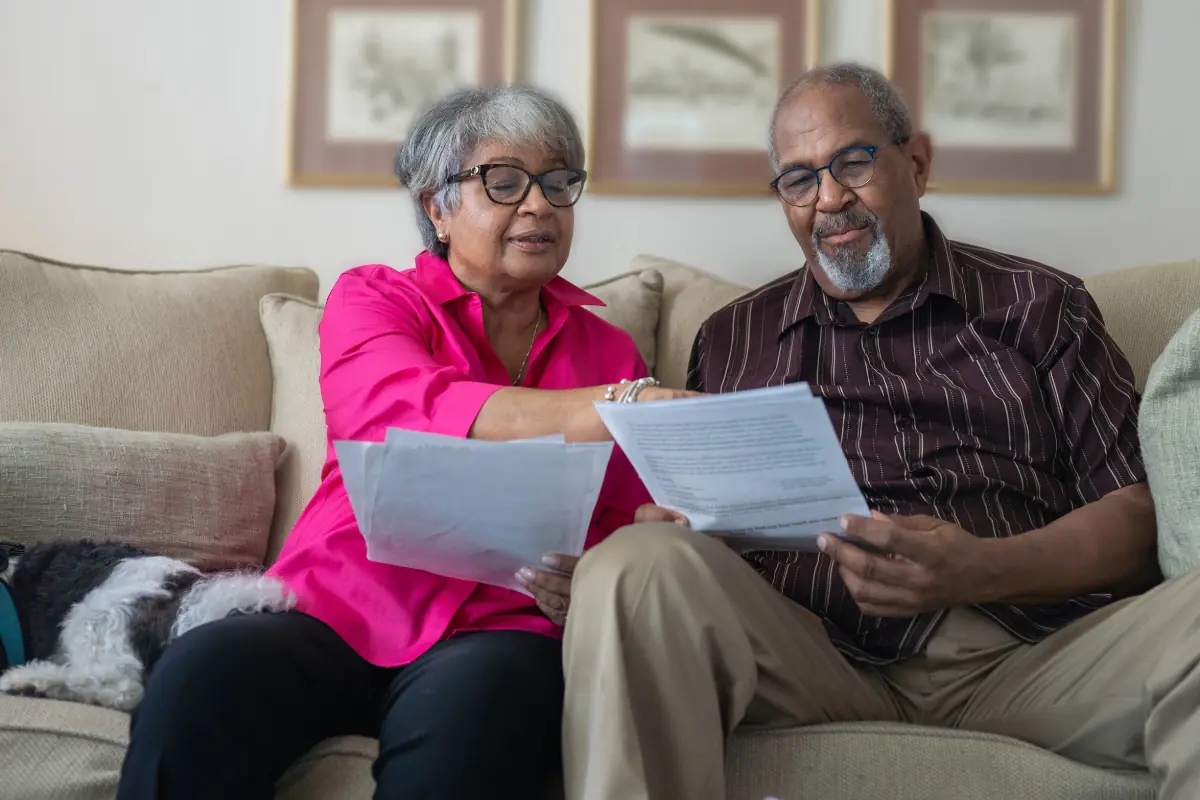
Families often assume the house is frozen until the estate is finished. It usually is not. Ohio probate for a straightforward estate tends to run six to twelve months, shaped by two clocks: creditors have six months from the date of death to present claims, and the executor must file the inventory within three months of appointment. The house can be sold inside that window - the proceeds simply sit in the estate account until the court approves distribution.
Very small estates may qualify for a release from administration, a shortcut that skips full probate when the assets fall under Ohio's dollar thresholds. Most estates with a house do not qualify, but it is worth one question to the attorney.
Every step runs through the Mahoning County Probate Court at the county courthouse in downtown Youngstown. Trumbull County estates go through Warren; Columbiana County estates go through Lisbon. The process is the same statewide; the clerks and local rules are not, which is one reason a local attorney matters.
How to Sell an Inherited House in Mahoning County
Five steps. The first two are paperwork you may already have; the last three are ours.
Confirm who holds authority
Check whether the house is still in the estate or has already passed to heirs. The executor's Letters of Authority, a certificate of transfer, a transfer on death affidavit, or a survivorship deed each answer that question differently.
Talk to the estate attorney
Ask whether the estate can sell now, whether the court needs to approve a sale, and whether all heirs must sign. This is a short conversation and it prevents a failed closing later.
Get a written cash offer
Call (330) 574-9414 or use the form. We review the house as-is - no cleanout, no repairs, no showings - and send a written, no-obligation offer within 24 hours.
Open title with a licensed Ohio title company
The title company confirms the chain of title, orders any mortgage payoff, and prepares documents so every heir can sign, including remotely.
Close and distribute proceeds
The house closes in as little as 14 days from a clear title. Proceeds go to the estate or directly to the heirs, depending on how title was held.
Will You Owe Tax When You Sell an Inherited House in Ohio?
Usually far less than families fear, and often nothing. Three facts do most of the work:
Ohio has no inheritance tax and repealed its estate tax for deaths on or after January 1, 2013. Nothing is owed to the state simply for inheriting the house.
Under federal law, the home's tax basis resets to its fair market value on the date of death. Sell near that value and the capital gain is small or zero, even if the house was bought decades ago for a fraction of the price.
If the county treasurer is owed back taxes, they are paid from the sale proceeds at closing - not by you up front. We factor them into the offer and the title company handles the payoff.
Applies only to estates far above the federal exemption. For nearly every family in the Mahoning Valley it is not a factor, but the estate attorney will confirm.
Our Ohio inheritance tax guide goes deeper, including a stepped-up basis illustrator. As always, confirm the specifics with a CPA or attorney before you file.
Three Heirs, Three Opinions, One House
The two things that most often stall an inherited sale are people and condition. Here is how each one gets handled.
Out-of-state signers
Ohio permits remote and online notarization. A sibling in Florida or Arizona signs from home; nobody has to fly in for closing.
One offer, one closing
A single written cash offer gives everyone the same number to react to, which ends the debate over what the house is "really worth" faster than any conversation does.
When someone will not sign
If title is in the heirs' names and one refuses to sell, an attorney can advise on a partition action. It is slow and expensive, which is usually reason enough to reach agreement first.
Full of belongings
Take the photos, the tools, whatever matters. Leave the rest. We buy houses that have not been cleaned out, and we handle it after closing.
Deferred maintenance
Roof, furnace, foundation, a basement that takes water. None of it needs to be fixed before we make an offer, and none of it needs to be disclosed to a picky retail buyer.
Vacant for years
An empty house draws code letters, break-ins, and frozen pipes. A vacant house we can close on quickly. Our vacant house guide covers the risks in detail.
Rated 5.0 by Local Homeowners on Google
Sellers describe a fast, low-pressure process and a team that explains every step. Read the reviews yourself rather than taking our word for it.
Built for the Way Inherited Sales Actually Go
We work with your attorney
Executors, administrators, and estate attorneys are who we deal with most on these. We fit the sale to the estate's timeline, not the other way around.
Close in 14 days
Or on the date the estate needs. Fast enough to stop the carrying costs; flexible enough to wait for a court date.
No fees, no repairs, no cleanout
No commissions, no closing costs charged to the estate, nothing to fix or empty first. The number we write is the number the estate receives.
Straight answers
If listing the house would net the heirs more and they have the time and appetite for it, we will say so. A wrong sale helps no one.
Inherited Houses Across Three Counties
We buy inherited and probate properties throughout Mahoning, Trumbull, and Columbiana Counties.
Selling an Inherited House in Ohio - FAQ
Can I sell an inherited house in Mahoning County before probate is finished?
Often, yes. If the will gives the executor a power of sale, or the court grants authority, the estate can sell the house before probate closes and the proceeds are held by the estate until distribution. If the house has already passed to the heirs by a certificate of transfer, a transfer on death affidavit, or a survivorship deed, the heirs sell it directly. Your attorney confirms which path applies.
Who has the legal right to sign for the sale?
Whoever holds authority over the property. During probate that is the executor or administrator named in the court's Letters of Authority. After a certificate of transfer, it is the heirs who now hold title, and every heir on the deed must sign. If a house passed by transfer on death or survivorship, the named beneficiary or surviving owner signs.
Do all the heirs have to agree to sell?
If title has passed to the heirs, every person on the deed must sign the purchase agreement and closing documents. Heirs do not have to be in the same room - Ohio allows remote and online notarization, so out-of-state family members can sign where they live. If one heir refuses, an attorney can advise on a partition action, but that is a last resort.
Does Ohio charge inheritance tax on a house?
No. Ohio has no inheritance tax and repealed its estate tax for deaths on or after January 1, 2013. The federal estate tax applies only to very large estates. What matters more for most families is the federal stepped-up basis: the home's tax basis resets to its fair market value on the date of death, so a sale near that value usually produces little or no capital gain.
How long does probate take in Mahoning County?
A straightforward estate often runs six to twelve months. Ohio gives creditors six months from the date of death to present claims, and the inventory is due within three months of the executor's appointment, so those two clocks set the floor. Contested wills, missing heirs, or title problems stretch it. The house itself can often be sold inside that window.
Can I sell a house that still has a mortgage on it after someone dies?
Yes. The loan does not disappear at death, but it is paid from the sale proceeds at closing, the same as any other sale. Federal rules generally allow a surviving family member who inherits the home to keep the existing loan, but if you plan to sell, the title company simply orders a payoff and clears it at the closing table.
What if the house is full of belongings, or has been sitting empty?
Take what the family wants and leave the rest. We buy inherited houses as-is, including homes that have not been cleaned out, homes that need major repairs, and homes that have sat vacant for years. You do not need to hire a cleanout crew, make repairs, or stage anything before we make an offer.
What is a certificate of transfer?
It is the document the probate court issues to move real estate from the decedent's name to the heirs or beneficiaries. Once it is recorded with the county recorder, the heirs hold title and can sell. It is a common step when the estate is not selling the house itself.
How much will a cash buyer pay for an inherited house?
It depends on the home's condition, the repairs it needs, and recent sales nearby. A cash offer is below what a fully renovated, listed home might bring, because the buyer takes on the repairs, the cleanout, the holding costs, and the risk. Against that you save agent commissions, repair costs, months of carrying costs, and the work of managing a listing from a distance. We put the number in writing so you can compare it honestly.
What documents will I need to sell?
Typically the death certificate, the will if there is one, the Letters of Authority from the probate court, and the deed. If the property passed outside probate, the transfer on death affidavit or survivorship affidavit takes the place of the letters. We work alongside your estate attorney and the title company to gather whatever else the specific situation requires.
More Help for Estates and Heirs
Inherited houses overlap with probate, taxes, and condition problems. These guides go deeper on each.
Settle the House So the Family Can Settle the Estate
Tell us about the property and who is handling the estate. You will have a written cash offer within 24 hours to share with the other heirs and the attorney - no pressure, no cost.
Sell an Inherited House in Mahoning County, Ohio
Probate paperwork, heirs in three states, a house full of forty years of belongings. You do not have to fix any of it before you sell. We buy inherited houses as-is, work directly with executors and estate attorneys, and put a written cash offer in your hands within 24 hours.
To sell an inherited house in Mahoning County, Ohio, first confirm who has authority to sign: the executor or administrator while the estate is in probate, or the heirs once title has passed to them by certificate of transfer, transfer on death affidavit, or survivorship deed. The estate can often sell before probate closes if the will grants a power of sale or the court approves. Ohio has no inheritance tax, and the federal stepped-up basis usually keeps capital gains small. Mahoning Home Buyer buys inherited houses as-is, coordinates with your estate attorney and a licensed Ohio title company, and can close in as little as 14 days. Call (330) 574-9414.
What Does an Inherited House Cost While You Decide?
An empty house is not free. Taxes, insurance, utilities, and upkeep keep running through every month of probate and every month of family deliberation. Move the sliders to see the real number - and what each heir's share of it looks like.
Inherited House Carrying-Cost Clock
A rough estimate of what the estate spends holding the house until it sells.
Estimate only, not financial or legal advice. Real costs vary by parcel, policy, and season. It does not include repairs, cleanout, a partition action, or the executor's time. We pay standard closing costs, so the comparison usually favors selling sooner more than this shows.
First Question: Who Has the Right to Sell?
Every inherited-house sale in Ohio comes down to one thing before price is even discussed: who holds authority over the property right now. There are four common answers in Mahoning County, and each one changes who signs, whether the court is involved, and how fast you can close.
Executor or administrator
The probate court issues Letters of Authority naming the person who manages the estate. If the will grants a power of sale, they can sell the house and hold the proceeds in the estate. If it does not, the court can approve a sale through a land sale proceeding.
Heirs by certificate of transfer
When the estate is not selling the house itself, the court issues a certificate of transfer that moves title to the heirs or beneficiaries. Once it is recorded, the heirs own the house and sell it directly. Everyone on the deed signs.
Transfer on death beneficiary
If the owner recorded a transfer on death designation affidavit before passing, the house skips probate entirely. The named beneficiary records an affidavit with the death certificate and can sell right away.
Surviving joint owner
A survivorship deed passes the house to the surviving co-owner automatically. An affidavit and the death certificate are recorded, and the survivor sells as the sole owner. Common for a surviving spouse.
Not sure which one you are? Pull the deed from the Mahoning County Recorder's records, then ask the estate attorney. We can also walk through it on the phone in a few minutes, and if a lawyer needs to be involved, we will tell you that before you spend anything.
General information for Ohio families, not legal advice. Probate rules are set by the Ohio Revised Code and applied by the Mahoning County Probate Court; confirm your situation with an Ohio attorney.
You Can Usually Sell Before Probate Closes
Families often assume the house is frozen until the estate is finished. It usually is not. Ohio probate for a straightforward estate tends to run six to twelve months, shaped by two clocks: creditors have six months from the date of death to present claims, and the executor must file the inventory within three months of appointment. The house can be sold inside that window - the proceeds simply sit in the estate account until the court approves distribution.
Very small estates may qualify for a release from administration, a shortcut that skips full probate when the assets fall under Ohio's dollar thresholds. Most estates with a house do not qualify, but it is worth one question to the attorney.
Every step runs through the Mahoning County Probate Court at the county courthouse in downtown Youngstown. Trumbull County estates go through Warren; Columbiana County estates go through Lisbon. The process is the same statewide; the clerks and local rules are not, which is one reason a local attorney matters.
How to Sell an Inherited House in Mahoning County
Five steps. The first two are paperwork you may already have; the last three are ours.
Confirm who holds authority
Check whether the house is still in the estate or has already passed to heirs. The executor's Letters of Authority, a certificate of transfer, a transfer on death affidavit, or a survivorship deed each answer that question differently.
Talk to the estate attorney
Ask whether the estate can sell now, whether the court needs to approve a sale, and whether all heirs must sign. This is a short conversation and it prevents a failed closing later.
Get a written cash offer
Call (330) 574-9414 or use the form. We review the house as-is - no cleanout, no repairs, no showings - and send a written, no-obligation offer within 24 hours.
Open title with a licensed Ohio title company
The title company confirms the chain of title, orders any mortgage payoff, and prepares documents so every heir can sign, including remotely.
Close and distribute proceeds
The house closes in as little as 14 days from a clear title. Proceeds go to the estate or directly to the heirs, depending on how title was held.
Will You Owe Tax When You Sell an Inherited House in Ohio?
Usually far less than families fear, and often nothing. Three facts do most of the work:
Ohio has no inheritance tax and repealed its estate tax for deaths on or after January 1, 2013. Nothing is owed to the state simply for inheriting the house.
Under federal law, the home's tax basis resets to its fair market value on the date of death. Sell near that value and the capital gain is small or zero, even if the house was bought decades ago for a fraction of the price.
If the county treasurer is owed back taxes, they are paid from the sale proceeds at closing - not by you up front. We factor them into the offer and the title company handles the payoff.
Applies only to estates far above the federal exemption. For nearly every family in the Mahoning Valley it is not a factor, but the estate attorney will confirm.
Our Ohio inheritance tax guide goes deeper, including a stepped-up basis illustrator. As always, confirm the specifics with a CPA or attorney before you file.
Three Heirs, Three Opinions, One House
The two things that most often stall an inherited sale are people and condition. Here is how each one gets handled.
Out-of-state signers
Ohio permits remote and online notarization. A sibling in Florida or Arizona signs from home; nobody has to fly in for closing.
One offer, one closing
A single written cash offer gives everyone the same number to react to, which ends the debate over what the house is "really worth" faster than any conversation does.
When someone will not sign
If title is in the heirs' names and one refuses to sell, an attorney can advise on a partition action. It is slow and expensive, which is usually reason enough to reach agreement first.
Full of belongings
Take the photos, the tools, whatever matters. Leave the rest. We buy houses that have not been cleaned out, and we handle it after closing.
Deferred maintenance
Roof, furnace, foundation, a basement that takes water. None of it needs to be fixed before we make an offer, and none of it needs to be disclosed to a picky retail buyer.
Vacant for years
An empty house draws code letters, break-ins, and frozen pipes. A vacant house we can close on quickly. Our vacant house guide covers the risks in detail.
Rated 5.0 by Local Homeowners on Google
Sellers describe a fast, low-pressure process and a team that explains every step. Read the reviews yourself rather than taking our word for it.
Built for the Way Inherited Sales Actually Go
We work with your attorney
Executors, administrators, and estate attorneys are who we deal with most on these. We fit the sale to the estate's timeline, not the other way around.
Close in 14 days
Or on the date the estate needs. Fast enough to stop the carrying costs; flexible enough to wait for a court date.
No fees, no repairs, no cleanout
No commissions, no closing costs charged to the estate, nothing to fix or empty first. The number we write is the number the estate receives.
Straight answers
If listing the house would net the heirs more and they have the time and appetite for it, we will say so. A wrong sale helps no one.
Inherited Houses Across Three Counties
We buy inherited and probate properties throughout Mahoning, Trumbull, and Columbiana Counties.
Selling an Inherited House in Ohio - FAQ
Can I sell an inherited house in Mahoning County before probate is finished?
Often, yes. If the will gives the executor a power of sale, or the court grants authority, the estate can sell the house before probate closes and the proceeds are held by the estate until distribution. If the house has already passed to the heirs by a certificate of transfer, a transfer on death affidavit, or a survivorship deed, the heirs sell it directly. Your attorney confirms which path applies.
Who has the legal right to sign for the sale?
Whoever holds authority over the property. During probate that is the executor or administrator named in the court's Letters of Authority. After a certificate of transfer, it is the heirs who now hold title, and every heir on the deed must sign. If a house passed by transfer on death or survivorship, the named beneficiary or surviving owner signs.
Do all the heirs have to agree to sell?
If title has passed to the heirs, every person on the deed must sign the purchase agreement and closing documents. Heirs do not have to be in the same room - Ohio allows remote and online notarization, so out-of-state family members can sign where they live. If one heir refuses, an attorney can advise on a partition action, but that is a last resort.
Does Ohio charge inheritance tax on a house?
No. Ohio has no inheritance tax and repealed its estate tax for deaths on or after January 1, 2013. The federal estate tax applies only to very large estates. What matters more for most families is the federal stepped-up basis: the home's tax basis resets to its fair market value on the date of death, so a sale near that value usually produces little or no capital gain.
How long does probate take in Mahoning County?
A straightforward estate often runs six to twelve months. Ohio gives creditors six months from the date of death to present claims, and the inventory is due within three months of the executor's appointment, so those two clocks set the floor. Contested wills, missing heirs, or title problems stretch it. The house itself can often be sold inside that window.
Can I sell a house that still has a mortgage on it after someone dies?
Yes. The loan does not disappear at death, but it is paid from the sale proceeds at closing, the same as any other sale. Federal rules generally allow a surviving family member who inherits the home to keep the existing loan, but if you plan to sell, the title company simply orders a payoff and clears it at the closing table.
What if the house is full of belongings, or has been sitting empty?
Take what the family wants and leave the rest. We buy inherited houses as-is, including homes that have not been cleaned out, homes that need major repairs, and homes that have sat vacant for years. You do not need to hire a cleanout crew, make repairs, or stage anything before we make an offer.
What is a certificate of transfer?
It is the document the probate court issues to move real estate from the decedent's name to the heirs or beneficiaries. Once it is recorded with the county recorder, the heirs hold title and can sell. It is a common step when the estate is not selling the house itself.
How much will a cash buyer pay for an inherited house?
It depends on the home's condition, the repairs it needs, and recent sales nearby. A cash offer is below what a fully renovated, listed home might bring, because the buyer takes on the repairs, the cleanout, the holding costs, and the risk. Against that you save agent commissions, repair costs, months of carrying costs, and the work of managing a listing from a distance. We put the number in writing so you can compare it honestly.
What documents will I need to sell?
Typically the death certificate, the will if there is one, the Letters of Authority from the probate court, and the deed. If the property passed outside probate, the transfer on death affidavit or survivorship affidavit takes the place of the letters. We work alongside your estate attorney and the title company to gather whatever else the specific situation requires.
More Help for Estates and Heirs
Inherited houses overlap with probate, taxes, and condition problems. These guides go deeper on each.
Settle the House So the Family Can Settle the Estate
Tell us about the property and who is handling the estate. You will have a written cash offer within 24 hours to share with the other heirs and the attorney - no pressure, no cost.