
Get your free cash offer
Tell us about the house. You get a written, no-obligation offer within 24 hours.
Prefer to talk? Call (330) 574-9414. We answer the phone.
How Much Will an Investor Pay for My House?
A straight answer for Mahoning Valley homeowners. See the exact formula cash investors use, then get your estimated offer range in seconds - no email required.
Most cash investors in Ohio use the 70% rule: they multiply a home's after-repair value (ARV) by roughly 70%, then subtract the cost of repairs. On a Mahoning Valley home worth $150,000 fixed up that needs $25,000 in work, a typical cash offer lands around $77,000 to $88,000. That gap covers repairs, holding costs, resale costs, and the investor's profit. In return, you sell as-is with no commissions, no repairs, and a closing in as little as 14 days. Mahoning Home Buyer gives you a written, no-obligation offer within 24 hours. Call (330) 574-9414.
See Your Estimated Cash Offer Range
Drag the two sliders below. The math mirrors how a real investor sizes an offer in Youngstown, Boardman, Warren, and the surrounding counties.
Cash Offer Estimator
Based on the standard 70% rule used across Ohio (68%-75% band).
minus $25,000 in repairs and investor costs
This is an educational estimate, not an appraisal or a formal offer. Your real number depends on condition, location, and current demand. A written Mahoning Home Buyer offer is always free and carries no obligation.
The Formula Investors Actually Use
There is no mystery to it. Nearly every legitimate cash buyer in Ohio - from national iBuyers to local investors like us - starts from the same equation, then adjusts for the specifics of your street. It is called the Maximum Allowable Offer (MAO), and it is built on the 70% rule.
Start with ARV
After-Repair Value is what your home would sell for fully renovated, based on recent sales of comparable fixed-up homes in your neighborhood - not its current condition.
Apply the 70% factor
Roughly 30% of ARV is set aside to cover the investor's resale commissions, closing costs, holding costs, and the profit that makes the deal worth doing.
Subtract repairs
Every dollar of needed work - roof, furnace, kitchen, foundation, cleanout - comes straight off the top. Heavier repairs mean a lower offer; a move-in-ready home means a higher one.
Adjust for the market
In faster-selling ZIP codes the factor can climb toward 75%; on homes that are harder to resell it may drop to 65%. That is why the estimator above shows a range, not a single number.
Running the Numbers on a Youngstown-Area Home
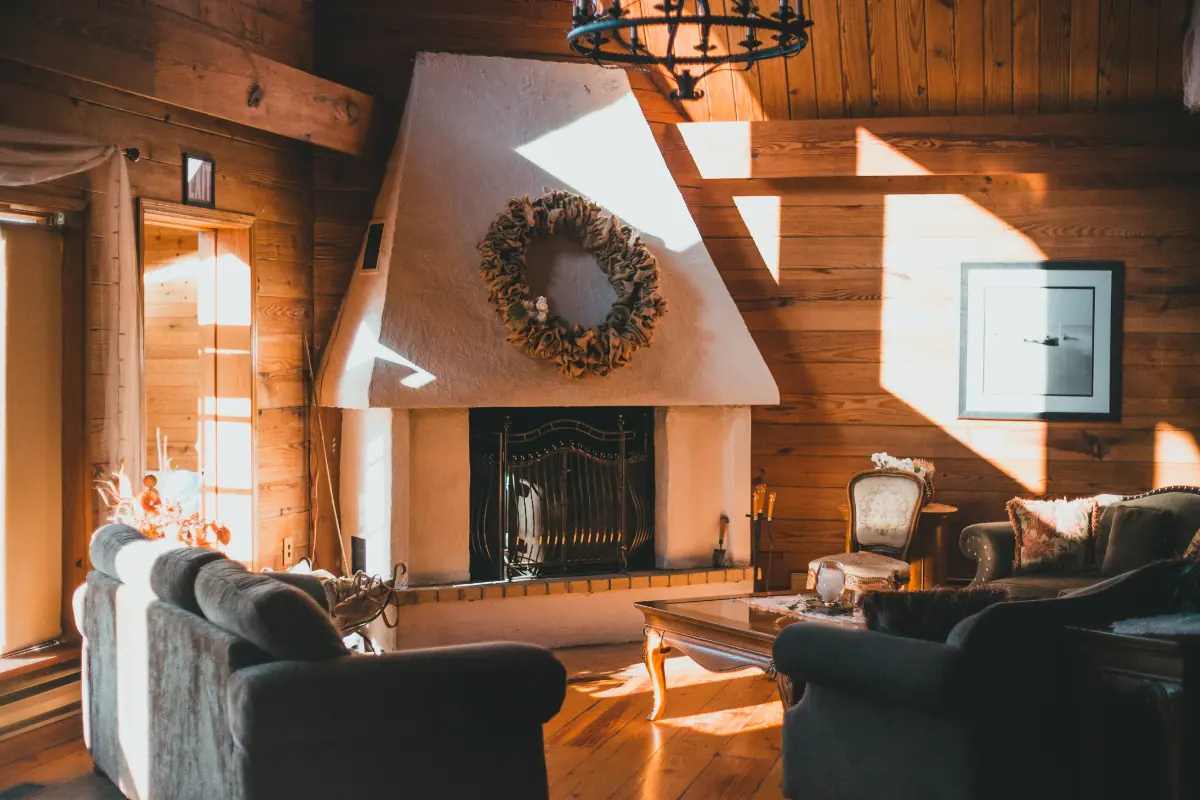
Say you own a three-bedroom on the Boardman side of Youngstown. Renovated homes on your block are selling around $150,000 - that is your ARV. The house needs a roof, an updated kitchen and bath, flooring, and a full cleanout: about $25,000 in work.
An investor runs the 70% rule: $150,000 × 70% = $105,000, minus $25,000 in repairs = a $80,000 cash offer, give or take. Depending on how quickly your ZIP resells, the practical range is roughly $77,000 to $88,000. You pay no agent commission, make no repairs, cover no closing costs, and can pick your own closing date - often inside 14 days.
That is the honest trade-off at the center of this whole question: a cash offer is lower than a fully-renovated retail sale on the sticker price, because you are handing off the repairs, the risk, the carrying costs, and the months of waiting. For many sellers, that certainty is worth more than the last few thousand dollars.
Where the Money Really Goes
We will not pretend a cash offer always nets you more. Here is the same $150,000 home, run both ways, so you can decide honestly.
| Line item | Cash offer (as-is) | Traditional listing (renovated) |
|---|---|---|
| Sale price | $82,000 | $150,000 |
| Repairs before selling | $0 | − $25,000 |
| Agent commission (approx. 6%) | $0 | − $9,000 |
| Seller-paid closing costs | $0 | − $3,000 |
| Holding costs (taxes, utilities, ~4 mo.) | $0 | − $3,600 |
| Time to close | ~14 days | ~90-150 days |
| Estimated net to you | $82,000 | $109,400 |
The honest read: if your home is financeable, you can afford the repairs, and you can wait out a listing, a retail sale usually nets more. A cash offer wins when speed, certainty, or a distressed situation - foreclosure, an inherited property, back taxes, tenants, or a home that will not pass inspection - matters more than squeezing out the last dollar. Figures are illustrative; your numbers will differ.
What Raises or Lowers an Investor's Offer
Two homes with the same ARV can get very different offers. These are the levers.
Raises your offer ▲
- Solid roof, furnace, and mechanicals
- Desirable ZIP that resells quickly (Canfield, Poland, Boardman)
- Cosmetic-only updates rather than structural work
- Clean, marketable title with no liens
- Vacant or easy-to-access property
- Rising local demand and low inventory
Lowers your offer ▼
- Foundation, roof, or major system failures
- Fire, water, or mold damage
- Back taxes, code violations, or title clouds
- Difficult tenant or occupancy situations
- Slower-moving neighborhood for resale
- Extensive cleanout or hoarding conditions
How Much Do Cash Home Buyers Pay in the Mahoning Valley?
Cash home buyers here use the same 70% rule as everywhere else, but the inputs are different from Columbus or Cleveland. Much of the housing stock across Youngstown, Warren, Campbell, and Struthers predates 1950, which means buyers budget more for updates - and that pulls net offers down. At the same time, lower entry prices and steady rental demand keep local buyers active, so well-located homes still draw competitive cash numbers.
Where your home sits matters. A move-in-ready house in Canfield, Poland, or Boardman resells fast, so the 70% factor often trends higher. A distressed property in a slower Youngstown pocket carries more resale risk, so the factor and the offer come down. That local nuance is exactly why a national iBuyer's algorithm often misses on Mahoning Valley homes - and why a buyer who actually works these three counties gives you a truer number.
Mahoning Home Buyer buys directly across Mahoning, Trumbull, and Columbiana Counties. We are the end buyer, not a wholesaler shopping your contract around, so the offer you get is the offer we stand behind.
Real Offers, Real Closings
"They walked me through exactly how they got to their number - no pressure, no games. The offer was fair for the shape the house was in, and we closed in twelve days."
"I inherited my mother's house and it needed a ton of work. They explained the repair math instead of just lowballing me. Straightest company I dealt with."
"I got a couple of cash quotes. Mahoning Home Buyer actually showed me the numbers behind theirs, and they closed on the date I asked for. Highly recommend."
A Fair Number, Explained Every Time
Transparent math
We show you the ARV, the repairs, and the factor we used. No black-box lowballs.
Offer in 24 hours
Send your details and get a written, no-obligation cash offer the next business day.
Local end buyers
We buy in our own counties and close ourselves - your contract is never resold.
Zero seller costs
No commissions, no repairs, no closing costs, no cleanout. You keep it simple.
Serving Three Counties in NE Ohio
We make cash offers on homes throughout Mahoning, Trumbull, and Columbiana Counties - any condition, any situation.
How Much Will an Investor Pay - FAQ
How much will an investor pay for my house?
Most cash investors in Ohio pay about 70% of a home's after-repair value (ARV) minus the cost of repairs. In practice the factor runs between 65% and 75% depending on condition and how quickly the neighborhood resells. On a $150,000 home needing $25,000 of work, that typically lands between $77,000 and $88,000 cash, with no commissions or repair costs to you.
How much do cash home buyers pay in Ohio?
Cash home buyers in Ohio typically pay 65% to 75% of a home's after-repair value, less the cost of repairs, and the median lands close to 70%. The percentage is higher for homes in fast-selling areas that need only cosmetic work and lower for properties with structural problems, title issues, or tenants. The number is always lower than a renovated retail sale, in exchange for no repairs, no commissions, and a closing in about two weeks.
What is the 70% rule in real estate?
The 70% rule is the formula most cash buyers use to set a maximum offer: multiply the after-repair value by 70%, then subtract estimated repairs. The 30% held back covers resale commissions, closing and holding costs, and the investor's profit. It keeps offers consistent and lets an investor size a deal quickly without over-paying.
Do cash home buyers pay market value?
No - a cash offer is intentionally below full retail value because you sell as-is with no repairs, no agent commissions, no closing costs, and no months of waiting. Once you subtract those costs from a traditional sale, the net gap is often smaller than sellers expect. Ask for a written offer so you can compare your actual net either way.
How do investors calculate a cash offer?
An investor first estimates your after-repair value from recent renovated comparable sales, then estimates repair costs, then applies the 70% rule: (ARV x 70%) minus repairs. They adjust the factor up in fast-selling areas and down where resale is harder. The result is your maximum cash offer, delivered in writing with no obligation to accept.
What is after-repair value (ARV)?
After-repair value is what your home would sell for fully renovated, based on recent sales of comparable move-in-ready homes nearby. It is the starting point for every cash offer. ARV is not your home's current as-is value and it is not the tax-assessed value - it reflects the finished, market-ready condition after all repairs are done.
Will an investor pay more than a wholesaler?
Often yes. A wholesaler puts your home under contract and resells that contract to another buyer, so their spread comes out of your price. A direct end-buyer like Mahoning Home Buyer keeps the home and closes it, which removes the middleman markup. Always confirm whether you are dealing with the actual buyer or a wholesaler before you sign.
How much do investors pay for houses in Youngstown, Ohio?
In Youngstown and the wider Mahoning Valley, offers still follow the 70% rule, but older housing stock and heavier repair budgets can pull net offers down, while low entry prices and rental demand keep well-located homes competitive. A vacant Boardman home in good shape will draw a stronger factor than a distressed property in a slower Youngstown pocket.
Can I negotiate an investor's offer?
Yes. A written offer is a starting point, not a take-it-or-leave-it demand. If you can document a lower repair scope, a recent higher comparable sale, or a marketable title, a fair investor will revisit the number. The best leverage is accurate information - the more clearly you show the true condition, the tighter the offer.
Is a cash offer worth it if it is below market value?
It depends on your situation. If you can afford repairs and wait out a listing, a retail sale usually nets more. But if you are facing foreclosure, an inherited house, back taxes, tenants, or a home that will not pass inspection, the speed and certainty of a 14-day cash close - with zero out-of-pocket cost - is often the better real-world outcome.
How fast can an investor close on my house?
A cash investor can typically close in 14 to 21 days because there is no mortgage approval, appraisal, or inspection contingency to clear. Mahoning Home Buyer closes through a licensed Ohio title company and lets you pick the date. If you need more time to move, we can push the closing back to fit your schedule.
Selling in a Specific Situation?
Every seller's math is different. If your home comes with a complication, start here - each page explains exactly how a cash offer works for that situation.
Ready for Your Real Number?
Skip the estimate. Send your address and get a written cash offer from a local buyer within 24 hours - then decide with the full picture in front of you.